The $1,000 Mistake That Changed How I See Tutoring
How My Daughter’s Online Tutor Taught Me a Valuable Lesson About Tutoring
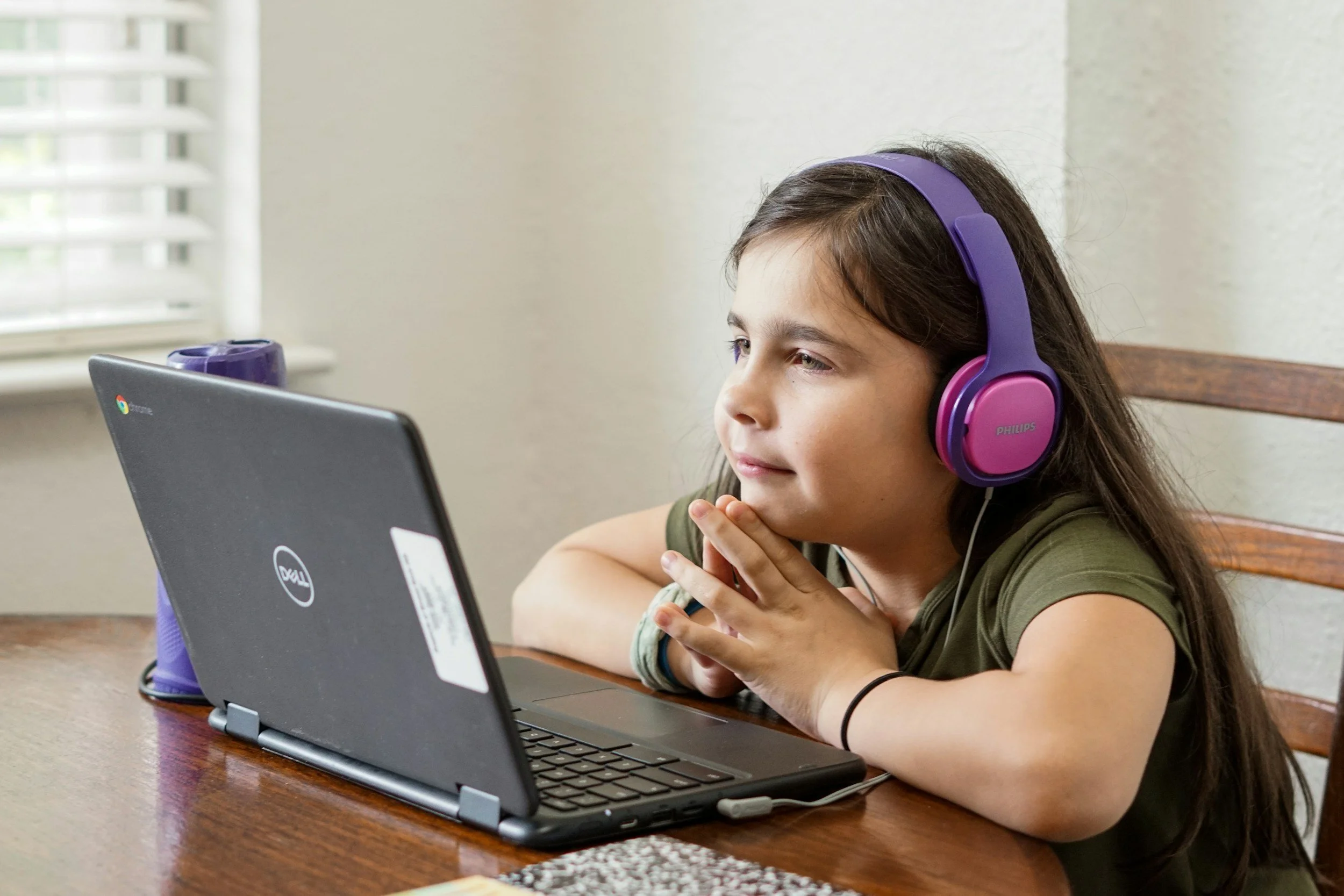
Several years ago, during the height of the pandemic, my daughter completed her entire Grade 6 year online through a wonderful francophone school board. Like many parents, my husband and I worried about learning gaps after such an unusual school year. Before she entered Grade 7, we decided to invest in private tutoring to strengthen her French and math skills over the summer.
After researching our options, we signed up with a well‑known online tutoring company. The sales pitch was polished, and we even paid extra to be matched with a French tutor. At more than $60 per hour, it wasn’t cheap, but we felt it was worth the investment if it helped our daughter feel confident heading into the new school year.
Because my husband worked during the day and I spent much of my time on the road for work, we rarely sat in on the tutoring sessions. As the summer progressed, however, I began to notice something strange. Whenever I asked my daughter what she was learning, her answers were vague.
One afternoon, I arrived home early and listened quietly from the kitchen while her tutoring session was underway. The tutor wasn’t really teaching.
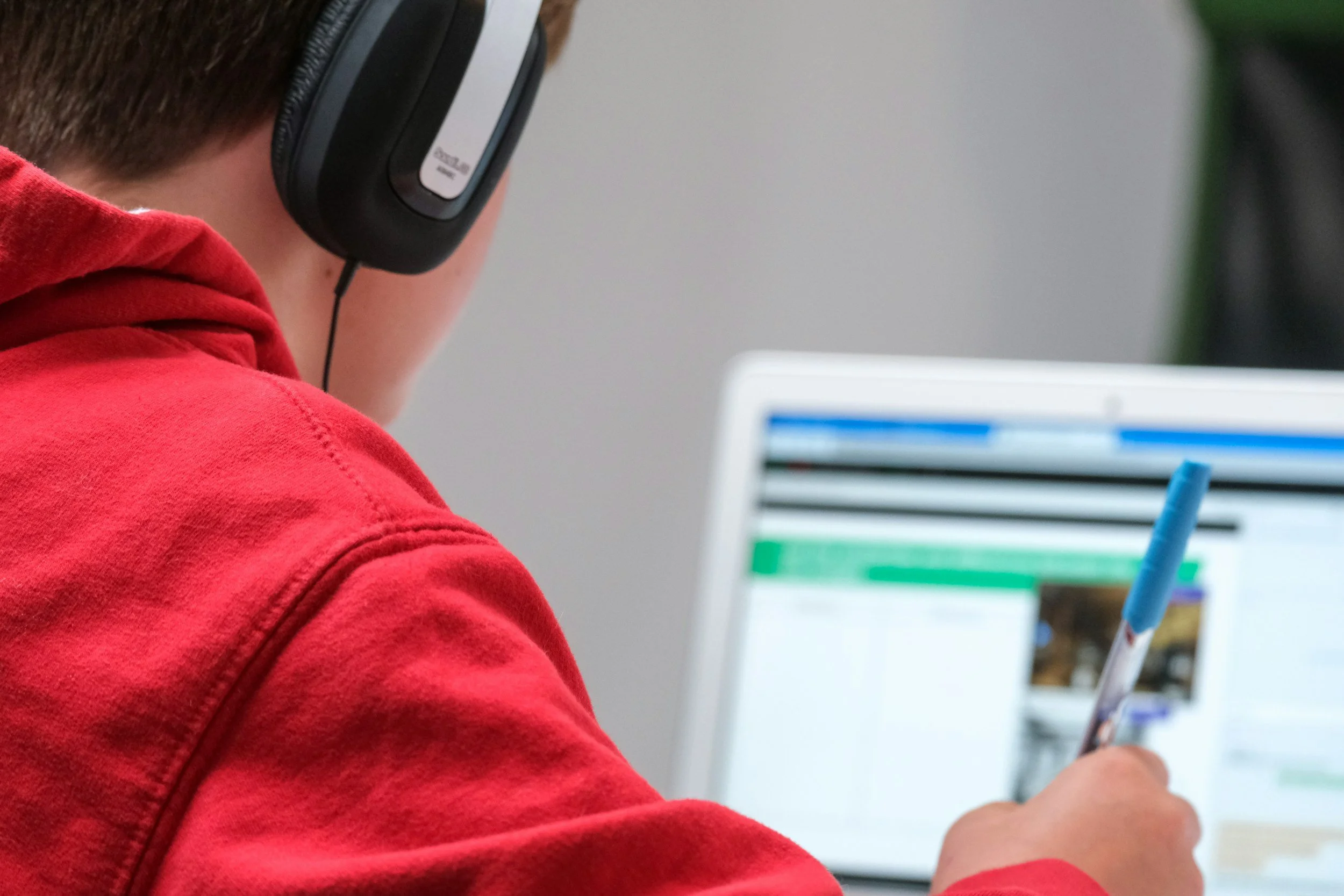
Instead, he spent most of the lesson sending links to random websites filled with math games, riddles, and multiple‑choice questions. There was very little instruction, no written work, and almost no active teaching. My daughter was essentially “mouse clicking” through activities, many of which were below her grade level.
When I asked her about it afterward, she admitted that this was how most of the sessions had gone. She hadn’t wanted to complain because she didn’t want to get the tutor in trouble.
I immediately contacted the tutoring company. Their response was that the tutor had received positive reviews from other families and they didn’t see a problem with his methods.
And this is where I learned something important about large online tutoring companies: the tutors are independent contractors. The company sells the packages, but they are only the middle‑man. They expect tutors to deliver solid work, of course, but there is often very little oversight. No one is checking the quality of instruction. It’s up to parents to notice when something isn’t right.

The issue, from my perspective, was simple: I had spent over $1,000 for my daughter to spend most of her tutoring time on ad‑crippled “math” websites. I understood that, at the time, in‑person tutoring wasn’t a safe option. But for more than $60 an hour, it didn’t feel unreasonable to expect structure, planning, and actual teaching.
To their credit, the tutoring company assigned us a different tutor for the remaining few hours in our package. The difference was remarkable. This tutor actively taught concepts, demonstrated math problems on a whiteboard, and had my daughter complete real math problems on paper.
What This Experience Taught Me
I often thought back about that experience before creating Le Chat Savant French Tutoring.
1. Online tutoring has limitations.
A great online tutor can be incredibly effective. A poor one can hide behind websites, games, and activities that look educational but offer very little actual learning. And because many online tutors work independently with minimal supervision, quality can vary widely.
2. Hands‑on learning matters.
Writing words, solving problems on paper, using flashcards, manipulating objects, and working directly with a tutor engages the brain differently than clicking answers on a screen. Technology should support learning, not replace it.
3. Proper tutoring makes progress visible.
Parents can see notebooks filling up, worksheets being completed, and skills improving over time. The learning is right there on the table.
Why Personalized Tutoring Matters
This experience played a major role in shaping my tutoring philosophy.
When I launched Le Chat Savant French Tutoring a few months ago, I wanted to create personalized learning experiences that went beyond passive screen-sharing and app-based language practice.
What matters most to me is not whether a lesson takes place around a kitchen table or through a computer screen; it's the quality of the connection between tutor and student. Effective tutoring requires engagement, flexibility, encouragement, and lessons that are tailored to the individual learner.
In-person tutoring naturally allows for hands-on activities and face-to-face interaction, which can be especially beneficial for younger students. However, online tutoring can be just as effective when it is designed thoughtfully and delivered by an engaged tutor who adapts to the student's needs in real time.

At Le Chat Savant, I approach both in-person and online lessons with the same philosophy: building meaningful relationships with students, creating customized learning plans, and ensuring that every lesson is interactive, supportive, and engaging.
For some families, in-home tutoring is the perfect fit. For others, online tutoring offers flexibility and convenience without sacrificing quality. The most important thing is finding an approach that keeps students motivated, confident, and excited to learn French.
After all, great tutoring isn't defined by the location of the lesson: It's defined by the experience of the learner. 😊